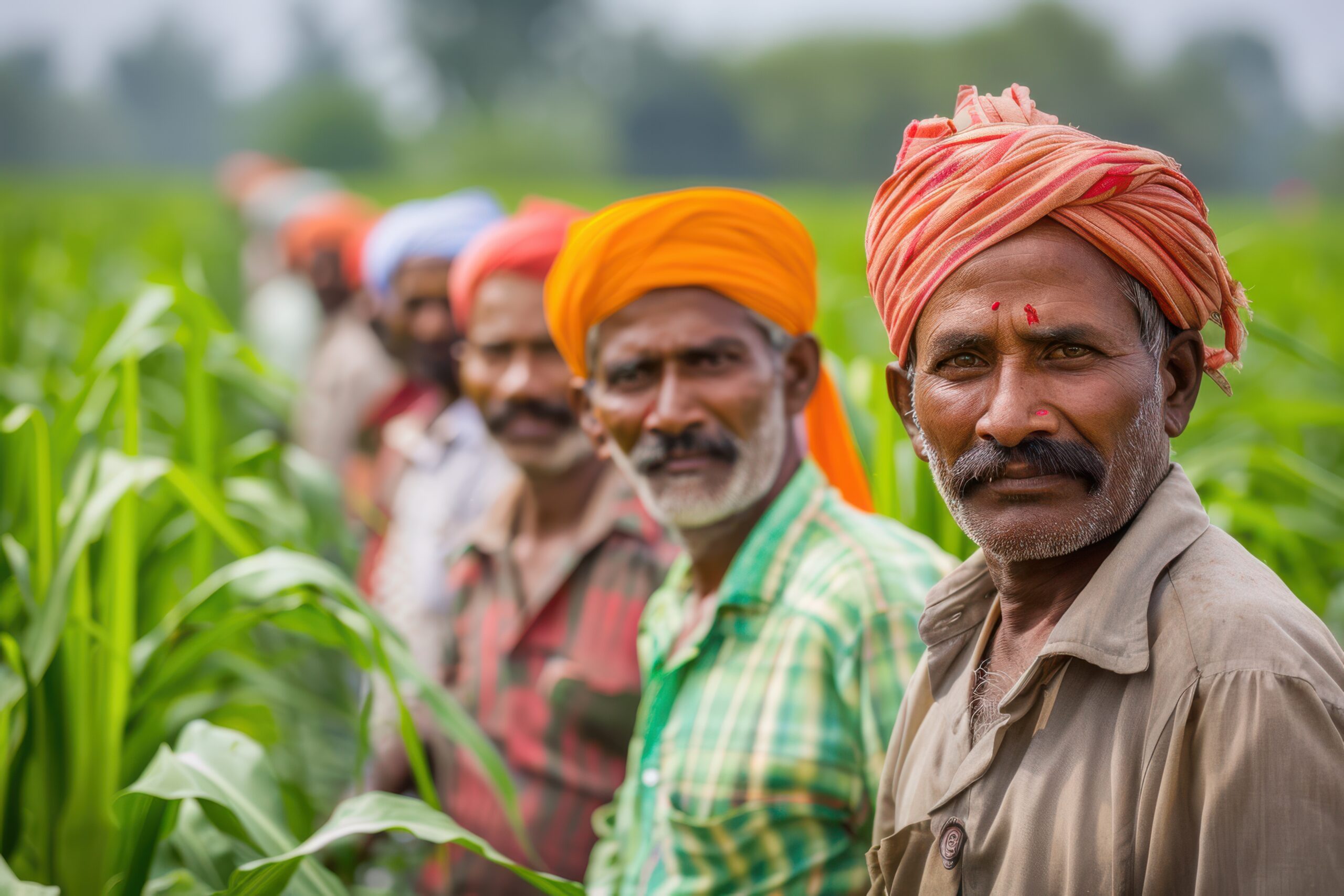
How CBG Plants Benefit Farmers throughout the Crop Cycle
After each crop, farmers are left with large amounts of crop residue. Until recently, farmers mostly burned it or used it as cattle fodder. Compressed Biogas (CBG) plants can process these agricultural residues to produce clean, renewable fuel and high-value organic manure.
The Farm Cycle: From Waste to Value
1. Growing Dedicated Crops before Sowing
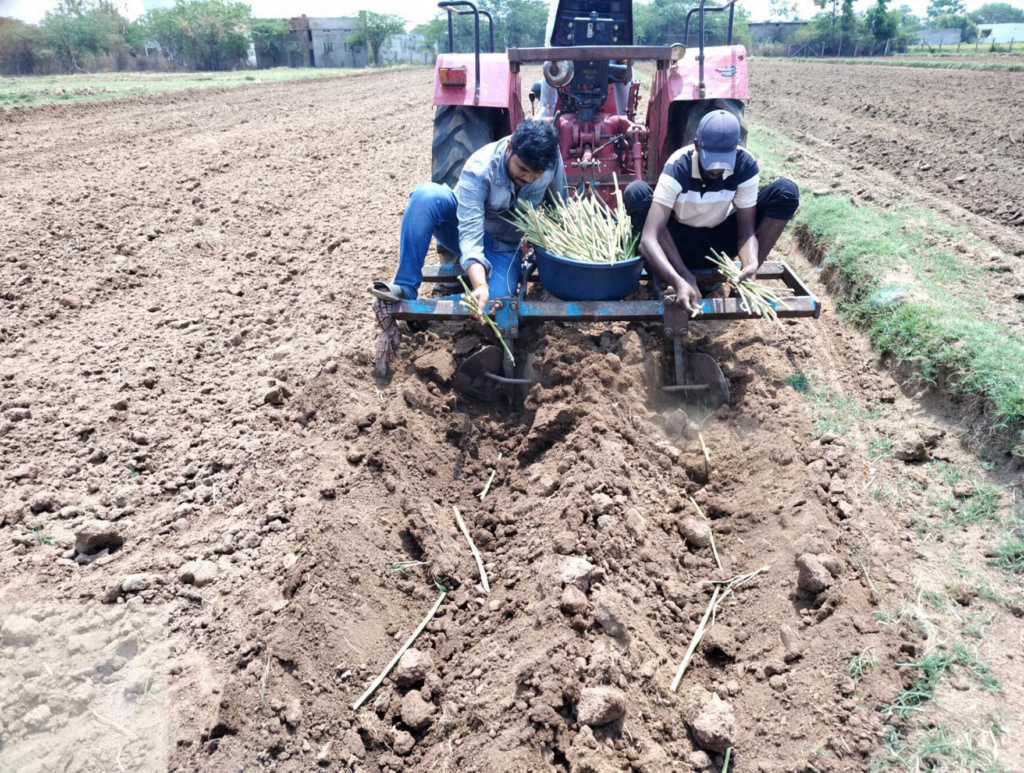
Farmers can grow Energy Crops, which are fast-growing plants cultivated specifically as feedstock for renewable energy production. Napier grass, for example, can be grown during the off-season when paddy is not being cultivated. Through Contract Farming, farmers can harvest Napier several times a year and earn additional income from the same land.
2. Field Clearing Made Easy at Harvest
Instead of burning straw after harvest, organised teams can collect it directly from the field. This makes crop residue management easier, reduces machinery costs for farmers and helps prevent air pollution.
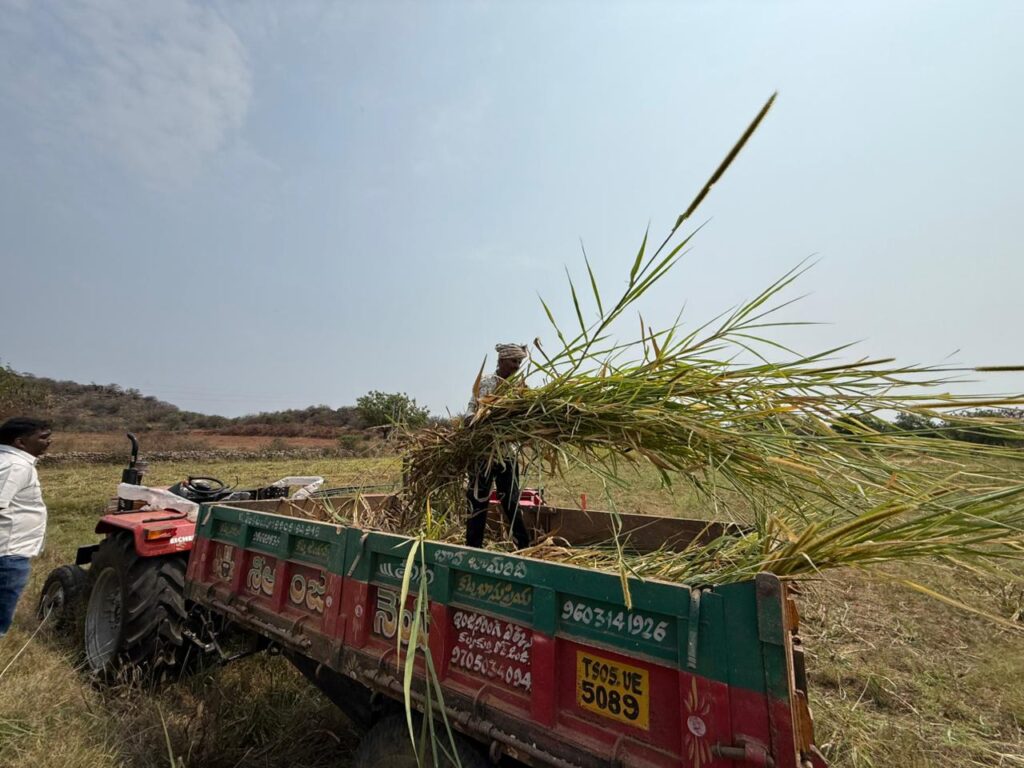
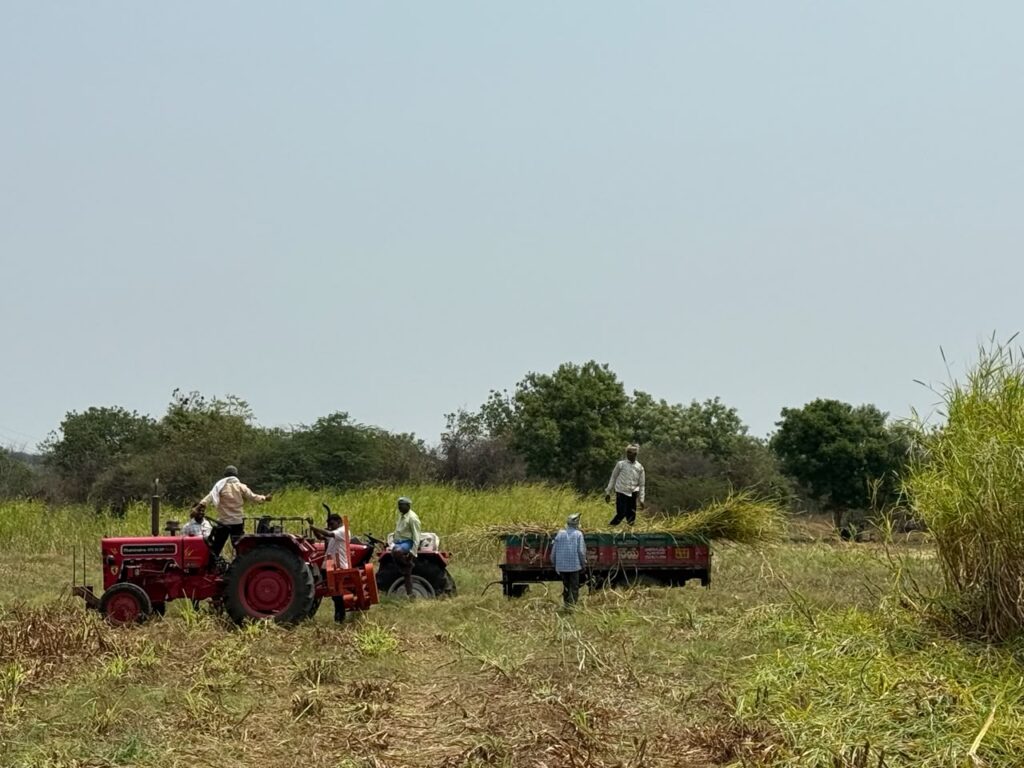
Paddy straw and Napier grass serve different purposes in the CBG value chain. Paddy straw becomes available as residue after the paddy harvest, while farmers can grow Napier during the off-season. One tonne of dry paddy straw can produce more than twice the biogas produced by green Napier grass, making paddy residue a valuable post-harvest feedstock.
3. Post-Harvest: Additional Income & Local Employment
Farmers can earn additional income by supplying suitable stubble after harvest. Activities such as handling, loading and transporting the material can also create jobs for rural communities, including local youth.
4. Inside the Plant: Producing Biofuel
Inside the plant, bacteria break down farm residues in sealed digesters without oxygen. This waste-to-wealth process converts the residues into biogas, which can then be utilized as fuel for cars and trucks.
5. Next Sowing: Putting Nutrients Back into the Field
Biofertiliser is a byproduct of CBG production. After anaerobic digestion, the remaining material contains nutrients and organic matter. CBG plants can process this material into biofertiliser, which farmers can apply to their fields. Adding it before the next crop returns nutrients and organic matter to the soil and supports sustainable agriculture.
Sai Bioenergy: Supporting Rural Communities
Sai Bioenergy connects farmers to the growing CBG value chain through its agricultural activities.
Local Sourcing: The Bikaner plant sources good-quality paddy residue from paddy-growing areas within a 300 km radius to meet its feedstock requirements, giving farmers a stable market for suitable residue.
Growing Partnerships: Sai Bioenergy is also working closely with village communities to develop Napier grass through contract farming.
Job Creation: Sai Bioenergy carries out captive cultivation on leased farmland and has created employment for more than 3,000 workers across five states, supporting cultivation and other farm-related activities.
Completing the Circular Economy
The cycle starts with crop residue, turns it into renewable energy, and returns organic material to the farm. This connects one crop season with the next and creates a circular economy in which agricultural resources continue to serve a purpose throughout the crop cycle.
To understand more about the Biofuels eco-system visit out insights page and explore.