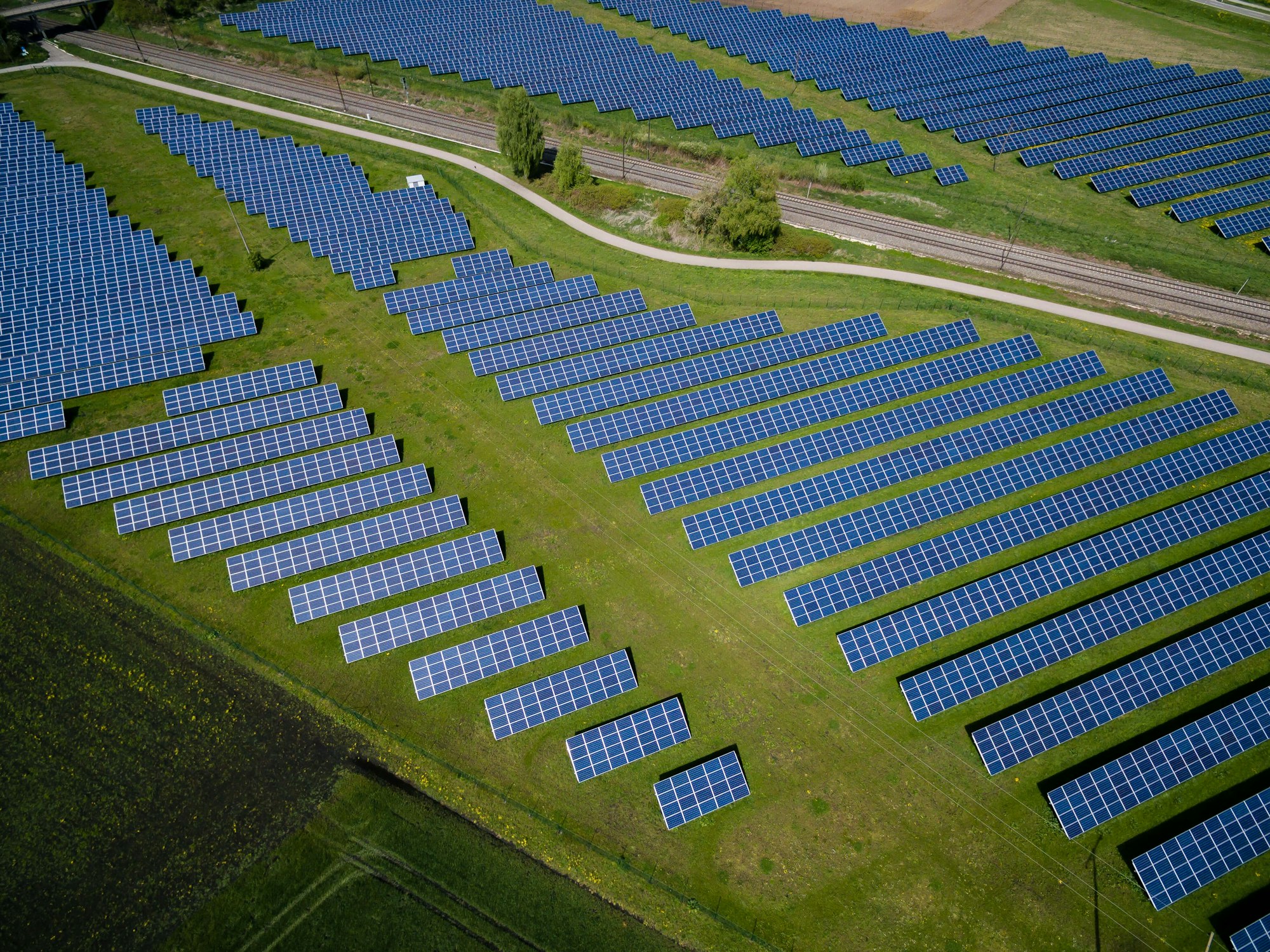
Renewable power becomes more valuable when it is available when people and industries need it. Sai Bioenergy develops Long-duration Energy Storage systems (LDES) for renewable power.
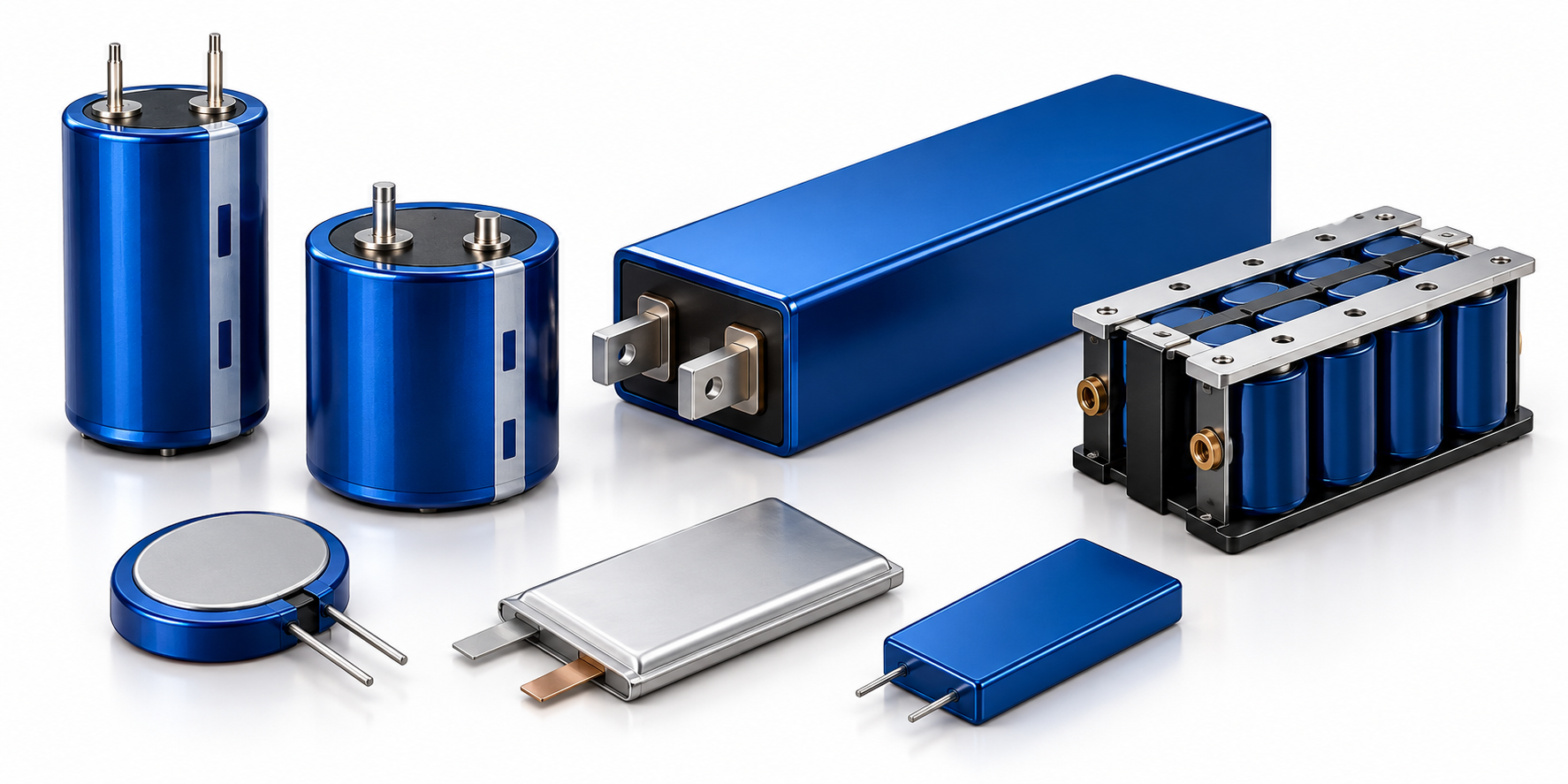
Our platform includes Vanadium Redox Flow Batteries (VRFBs), Organic Flow Batteries (ORFBs), Sodium-ion systems and Supercapacitors. We match each technology to the project’s duration, safety, cycling and performance requirements.
Explore Our Storage Portfolio
Why Energy Storage Matters
Making Renewable Power More Flexible
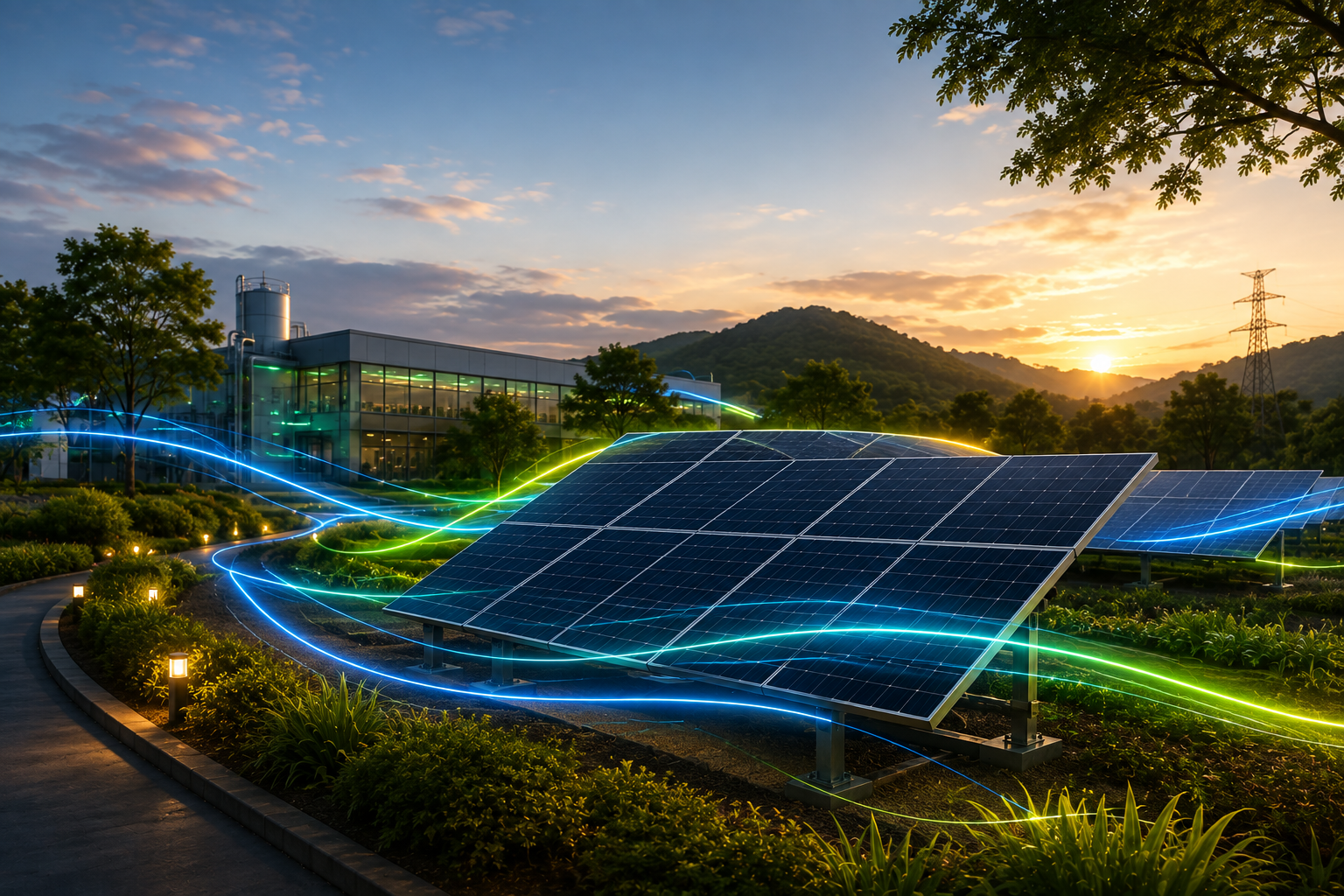
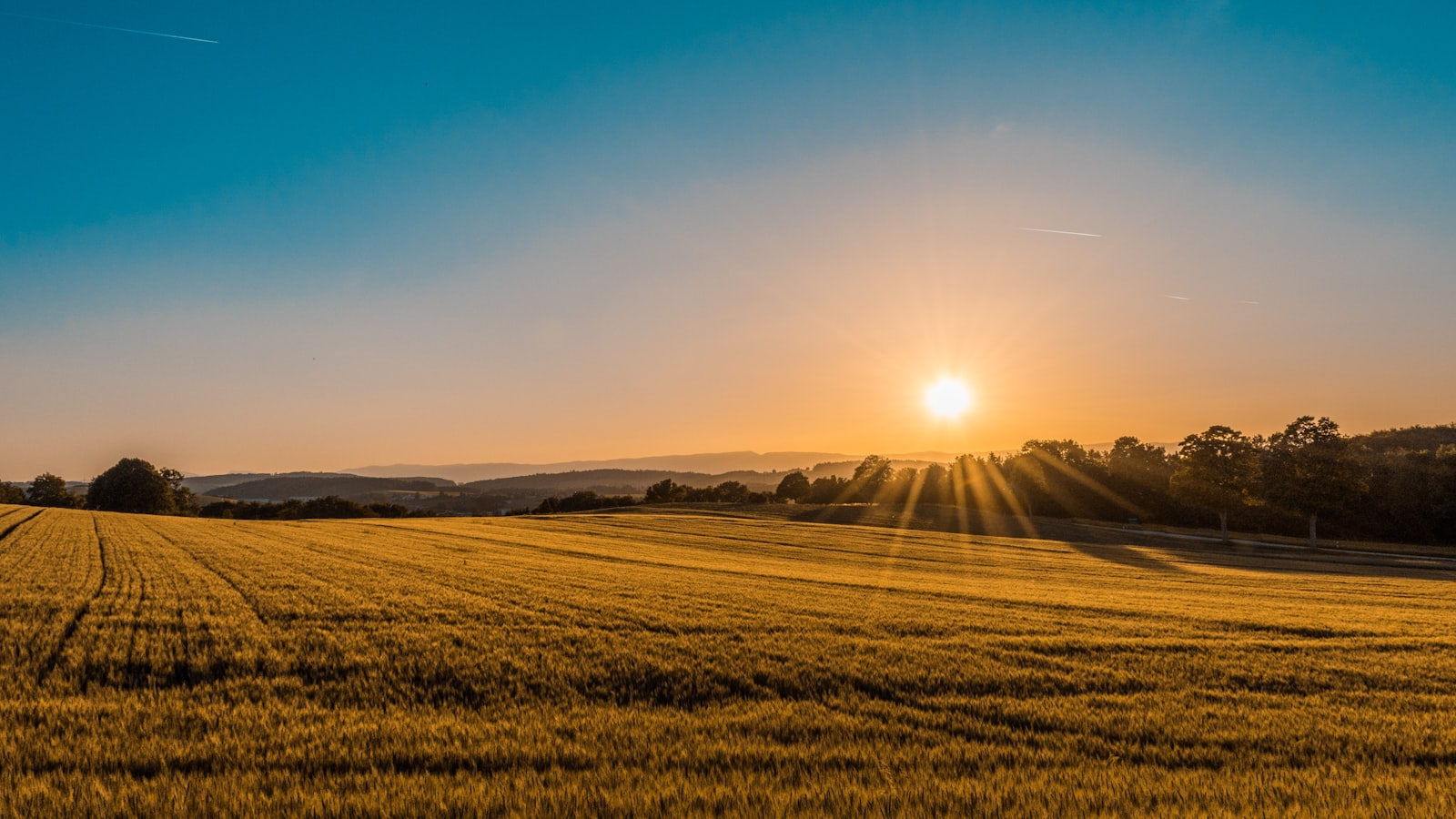
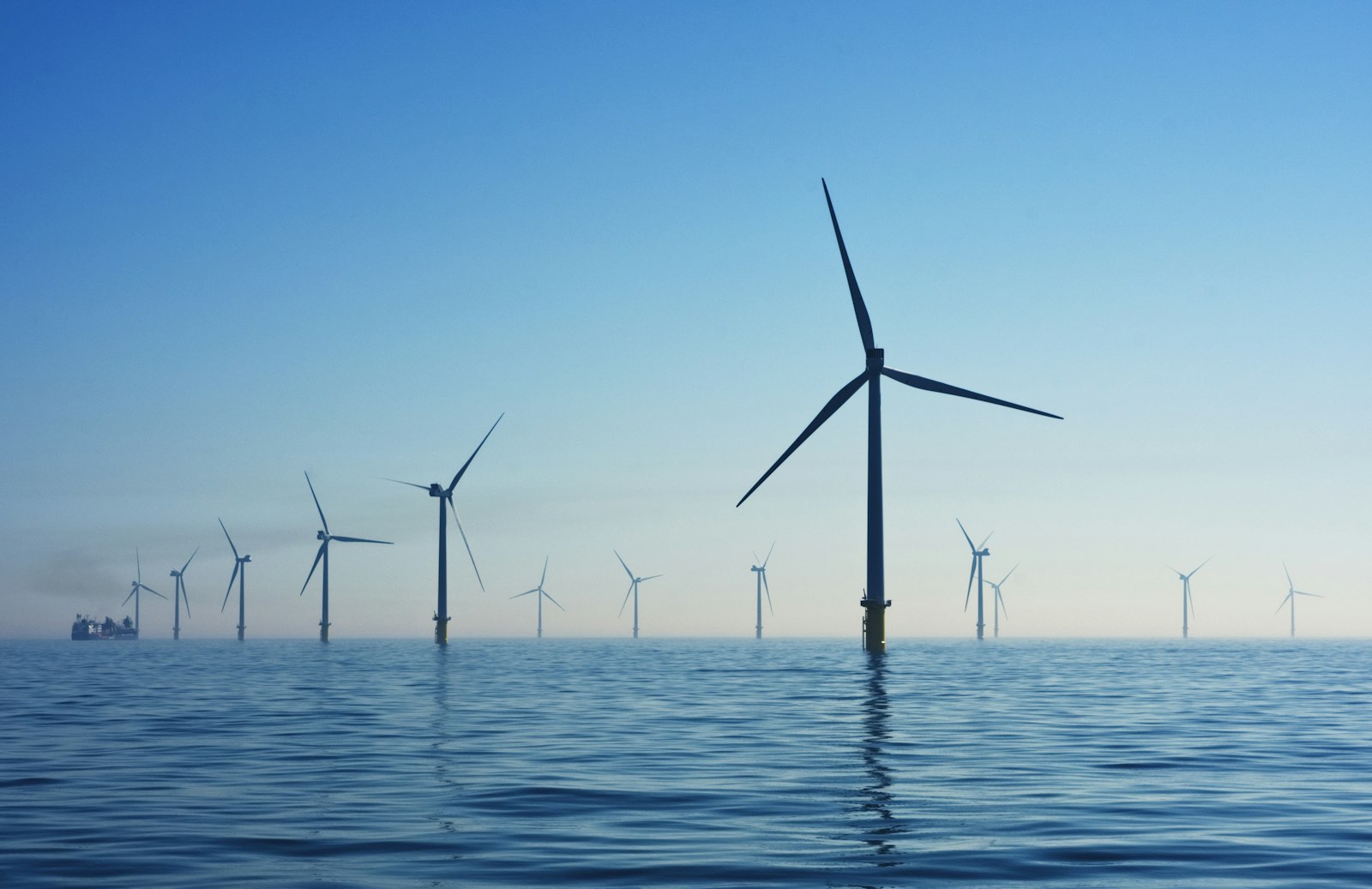
Solar and wind generation changes across the day. And stops at sunset or when the wind stills. Energy storage captures available power and delivers it when demand rises.
Long-duration Energy Storage (LDES) helps renewable power serve evening demand. It supports reliable power during changing weather conditions. It strengthens energy resilience for critical facilities. And it also gives industries greater control over their energy use.
Why Long-Duration Storage?
Build for Multi-hour Energy Delivery
As renewable penetration increases, power systems require storage solutions that deliver energy for longer durations (>4 hours) — not just rapid response. Long-duration energy storage supports delivery over several hours.
Shifts renewable power from the time of generation to the time of demand.
Supports overnight energy delivery.
Strengthens resilience during extended grid events.
Helps renewable projects deliver more predictable power.
Also supports grid flexibility as renewable generation grows.
01
2 hours
Frequency Response
02
4 hours
Daily Peak Shaving
03
8 hours
Overnight Shifting
04
12 hours +
Multi-day Resilience
Battery Energy Storage Systems (BESS) and Long-duration Energy Storage (LDES) – Two Terms. One Clear Relationship.
Battery Energy Storage System describes the complete project system. A BESS includes the storage technology, power conversion system, controls and balance-of-plant equipment.
Long-Duration Energy Storage describes the system’s primary use. It focuses on delivering energy for longer periods.
Sai Bioenergy’s projects are delivered as BESS installations that provide long-duration energy storage.
Energy Storage Portfolio
Solutions Built for Every Energy Challenge
Different energy needs call for different storage technologies. Our portfolio supports project-specific design. We evaluate duration, safety, cycling, footprint, materials and lifecycle economics.
INVINITY
Vanadium Redox Flow Batteries (VRFBs)
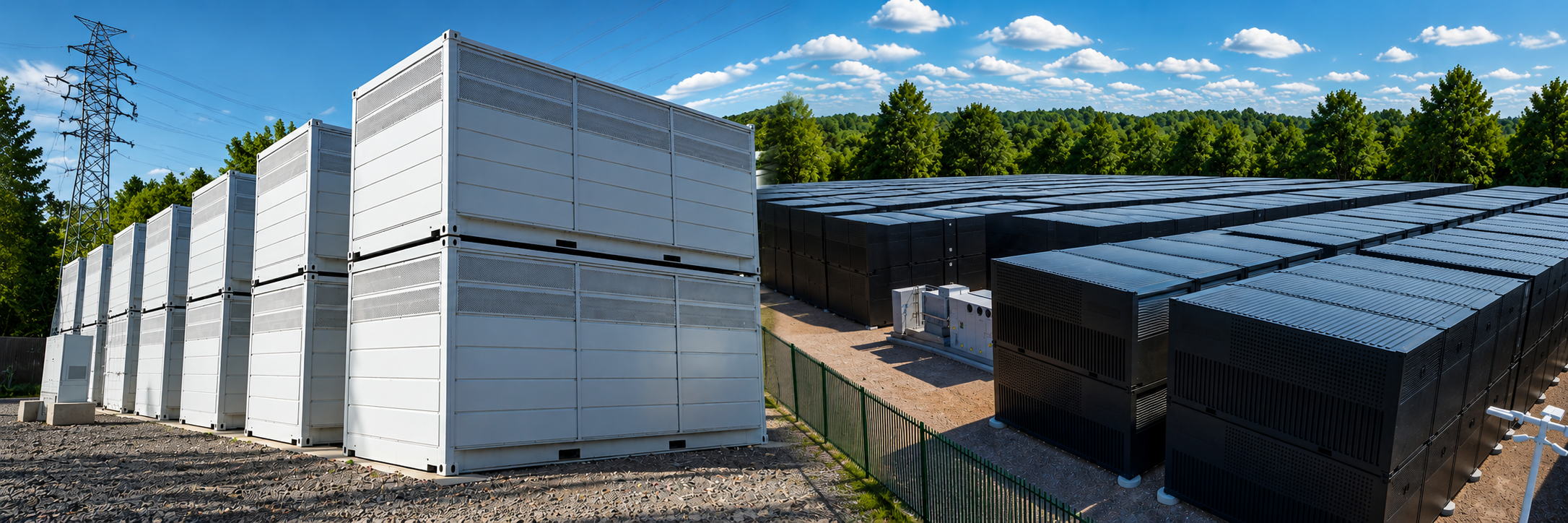
VRFBs support long-duration stationary storage. Their power and energy capacity can be scaled independently.
Larger stacks can increase power capacity.
Larger electrolyte tanks can increase energy duration.
Their aqueous electrolyte supports a strong safety profile.
Their design supports frequent cycling and long operating life (25-30+ years)
They are well suited to renewable integration, grid support and industrial energy.
Flow batteries store energy in liquid electrolytes. Their power capacity and energy capacity can be designed separately. This creates flexibility for projects with longer duration requirements.
Their architecture supports regular deep cycling. Electrolyte can be replenished or managed within the system. The aqueous chemistry supports strong safety characteristics. Their performance profile suits stationary renewable energy applications.
Flow batteries should be evaluated by application. Important factors include duration, safety, cycling, space and lifecycle economics.
LITHIUM-ION
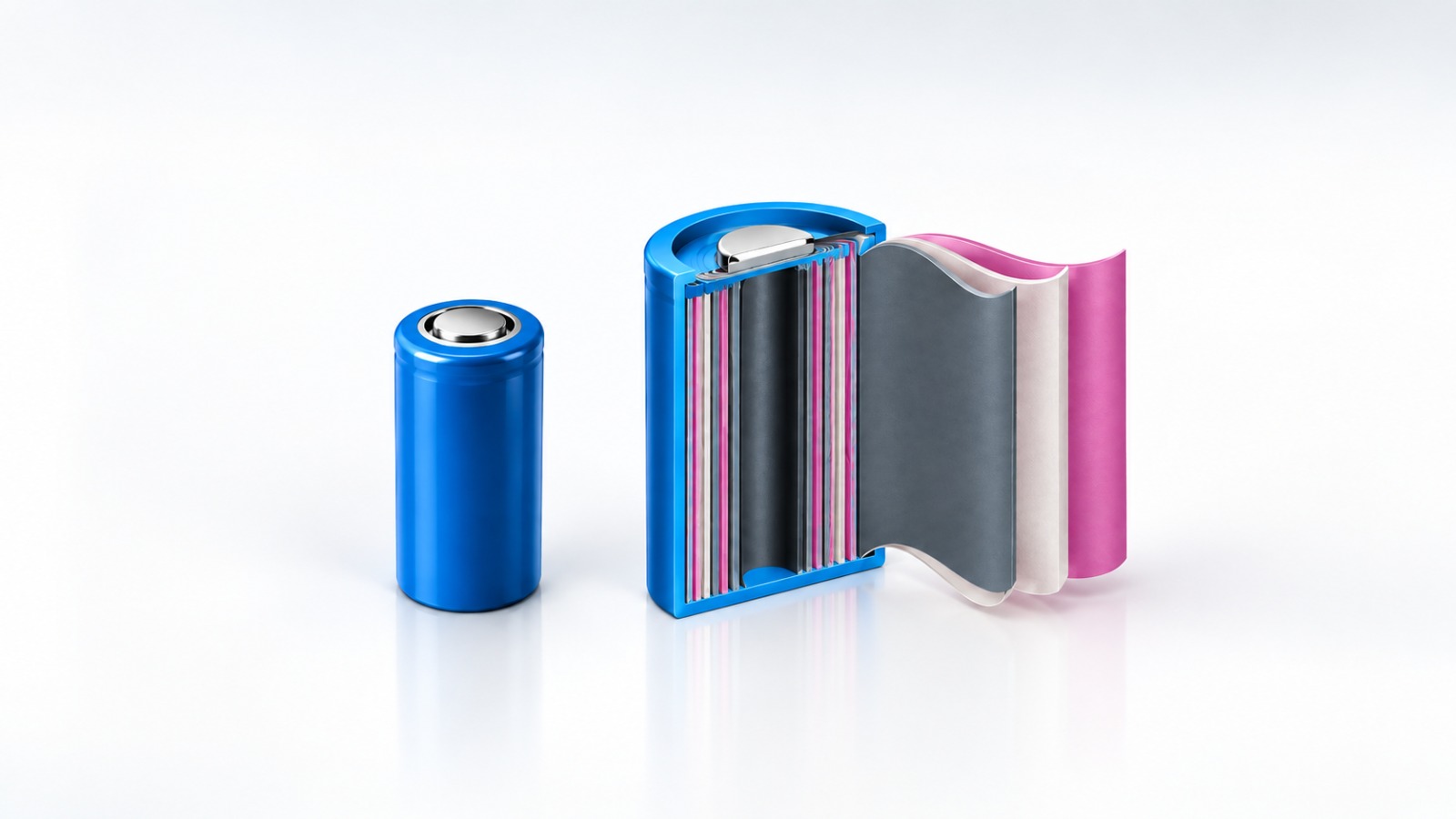
Fast response and high round-trip efficiency over shorter durations. Modular, widely available and well suited to frequency response and peak shaving.
FLOW BATTERIES
Non-flammable aqueous chemistry. Power and energy scaled independently. Negligible degradation across decades of daily deep cycling.
Applications
Storage for a More Flexible Energy System
Utilities
Long-duration storage can support grid reliability and system flexibility. It can support renewable integration and ancillary services.
Renewable Projects
Storage can shift solar and wind power to higher-demand periods. It can help renewable projects provide more predictable energy.
Commercial & Industrial
Storage can support peak demand management. It can improve energy resilience for energy-intensive sites.
Data Centres
Storage can support continuity for critical digital infrastructure. It can work alongside existing backup and power-quality systems.
Mining Operations
Storage can support reliable power in remote and energy-intensive locations. It can complement renewable generation and local power systems.
Remote Communities
Storage can support resilient power where grid access is limited. It can work with solar generation and other local energy sources.
Industrial or IT Parks
Shared storage can support multiple facilities within one industrial ecosystem. It can improve flexibility across co-located energy users.
Microgrids
Storage can support islanded and hybrid power systems. It can help campuses, communities and industrial sites manage local energy.
Technology Partnerships
Global Technology. Local Capability.
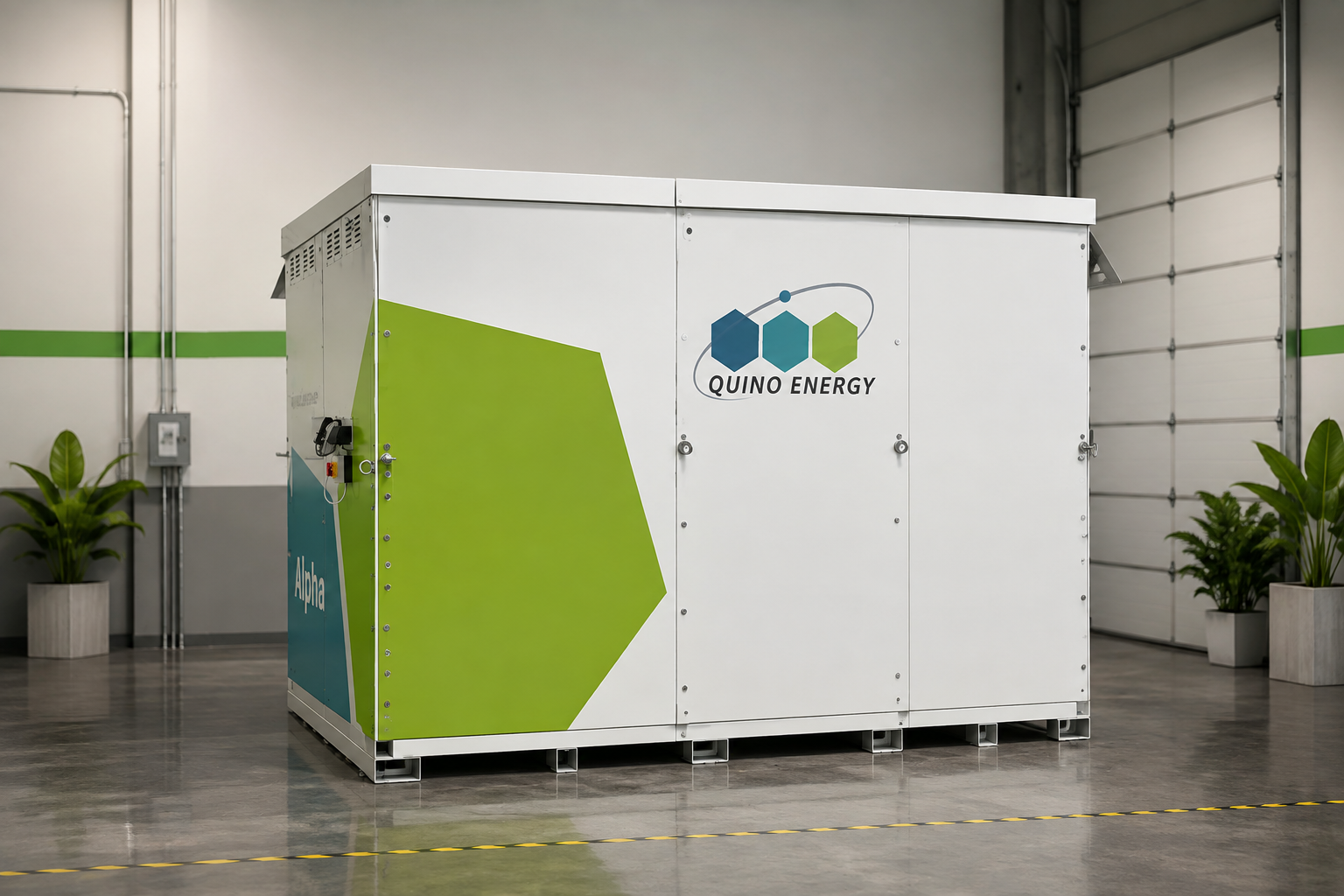
Sai Bioenergy works with technology partners to bring advanced storage platforms to emerging markets. Invinity supports our Vanadium Redox Flow Battery pathway. Quino supports our Organic Flow Battery pathway.
Our collaboration model combines global technology with local engineering. It also supports localisation, vendor development and project execution.
We are developing capabilities across battery systems, power conversion, controls and manufacturing.
Building the Infrastructure for Tomorrow’s Renewable Power Systems
30+ Years
Design Life
100%
Depth of Discharge
Unlimited
Charge–Discharge Cycles
2
Advanced Flow Battery Technologies
Global
Technology Partnerships
Grid-Scale
Utility & Industrial Applications
Future of Energy Storage
Building Tomorrow’s Intelligent Energy Systems
The future of storage includes stronger system intelligence.
Real-time monitoring can improve operating visibility.
Digital twins can support testing and performance analysis.
Predictive maintenance can identify equipment needs earlier.
Energy management systems can coordinate storage with renewable generation.
Virtual power plants can connect distributed storage assets.
These capabilities can support more flexible and resilient energy systems.
01
Real-time monitoring
02
Virtual power plants
03
Flexible grid
04
Digital Twins
05
Energy Management Systems
Let’s Build Smarter Energy Systems
Whether you are developing renewable power projects, strengthening grid resilience or exploring long-duration storage technologies, Sai Bioenergy is ready to help build the future of clean energy.