saib.onlyfordemos.com

/
Solutions
/
Biofuels
SOLUTIONS · BIOFUELS

Renewable Biofuels for a Cleaner Tomorrow

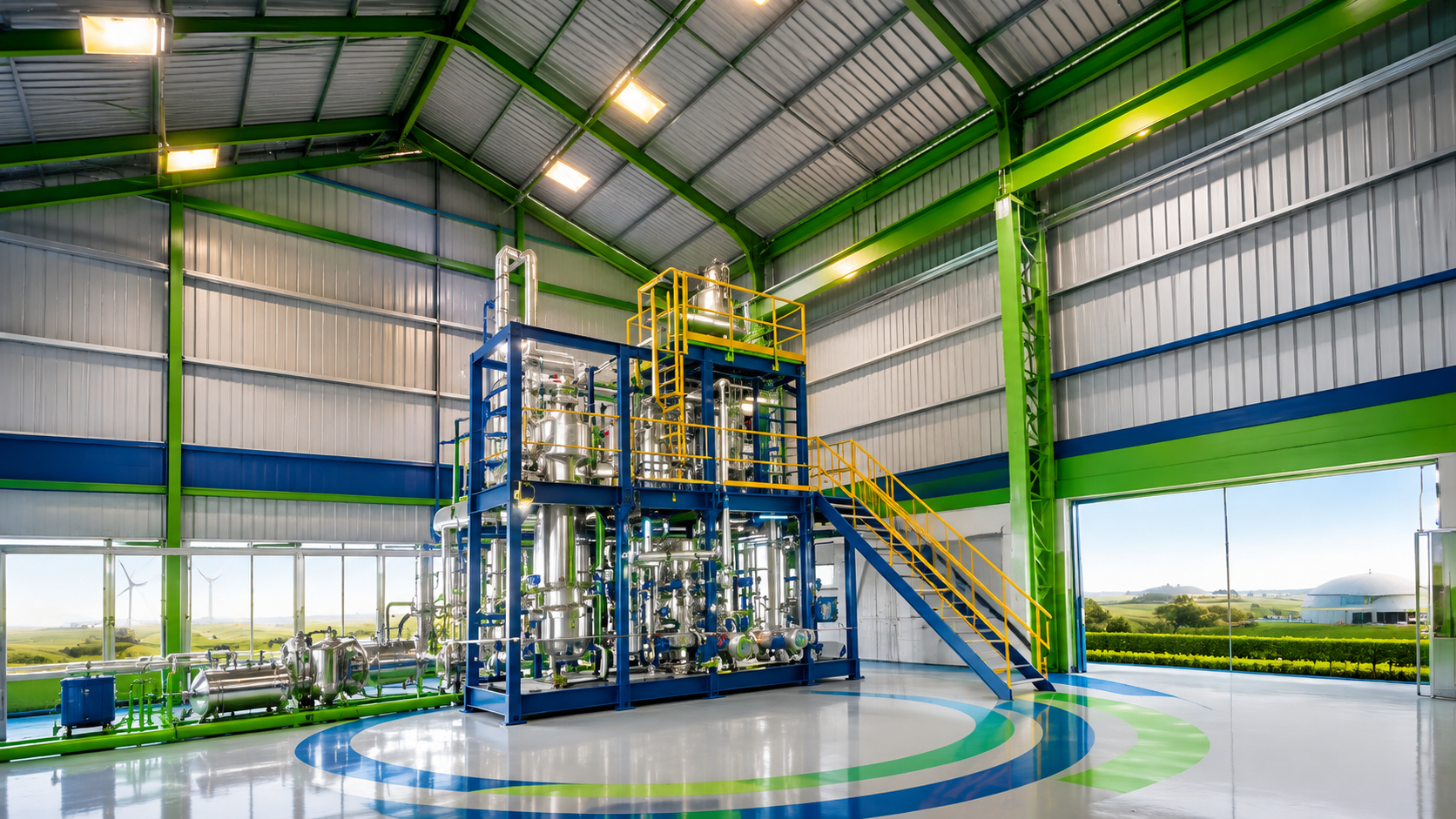
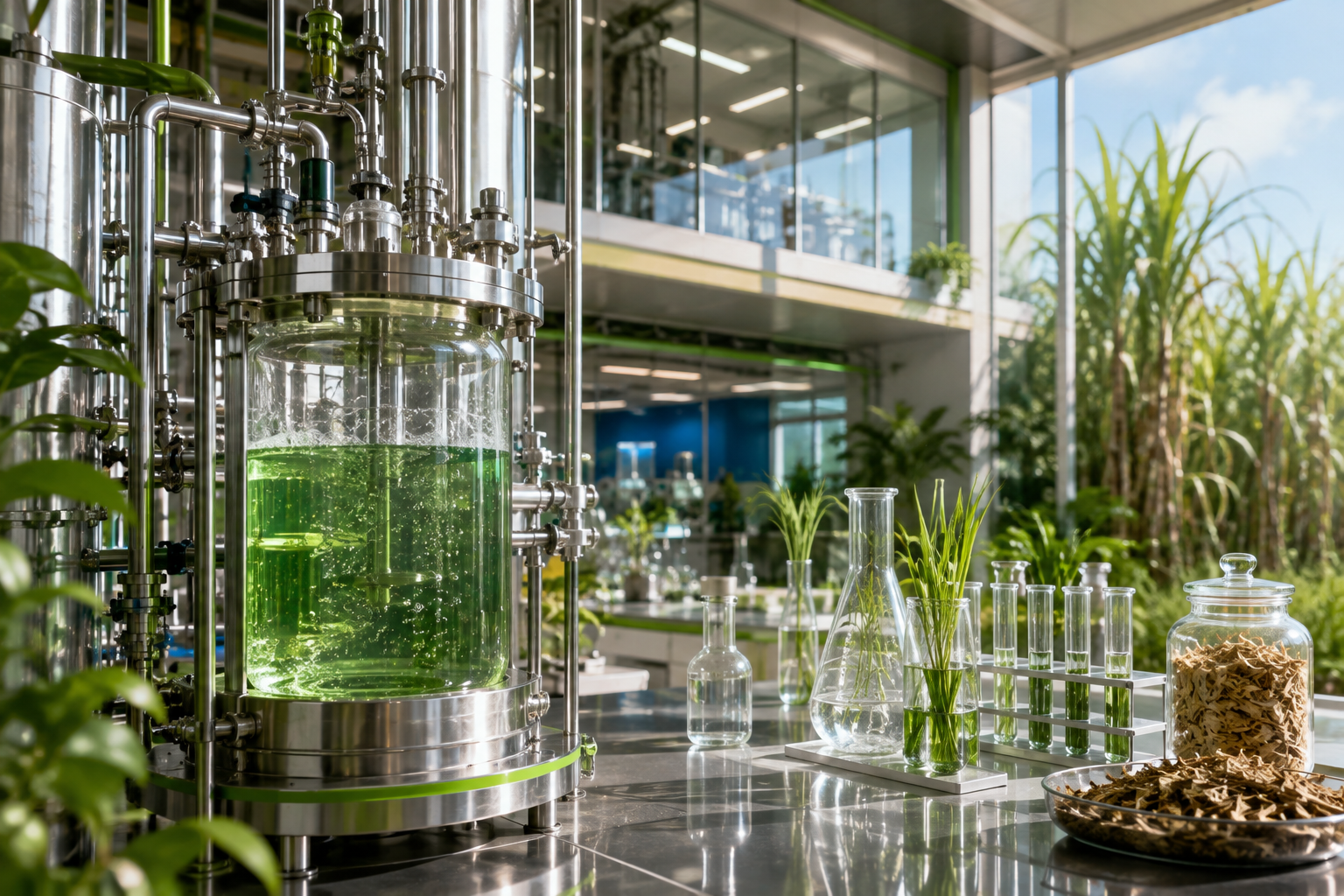
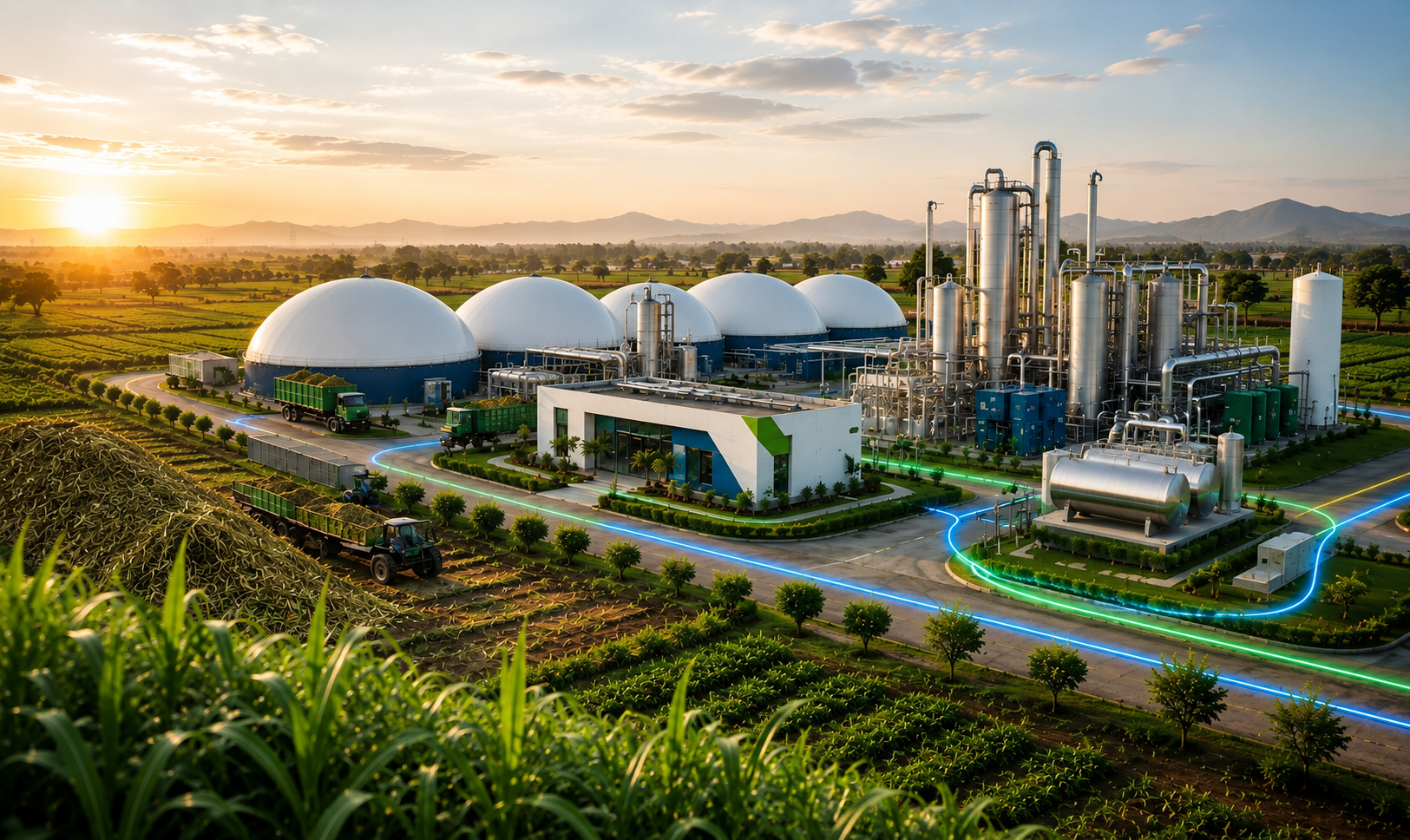
Sai Bioenergy’s Renewable Biofuel platform begins with carefully selected feedstock. It continues through advanced conversion and purification. Our process creates clean fuel and by-products like biofertilizer, Carbon-dioxide and Sulphur.  New value is created for agricultural communities.

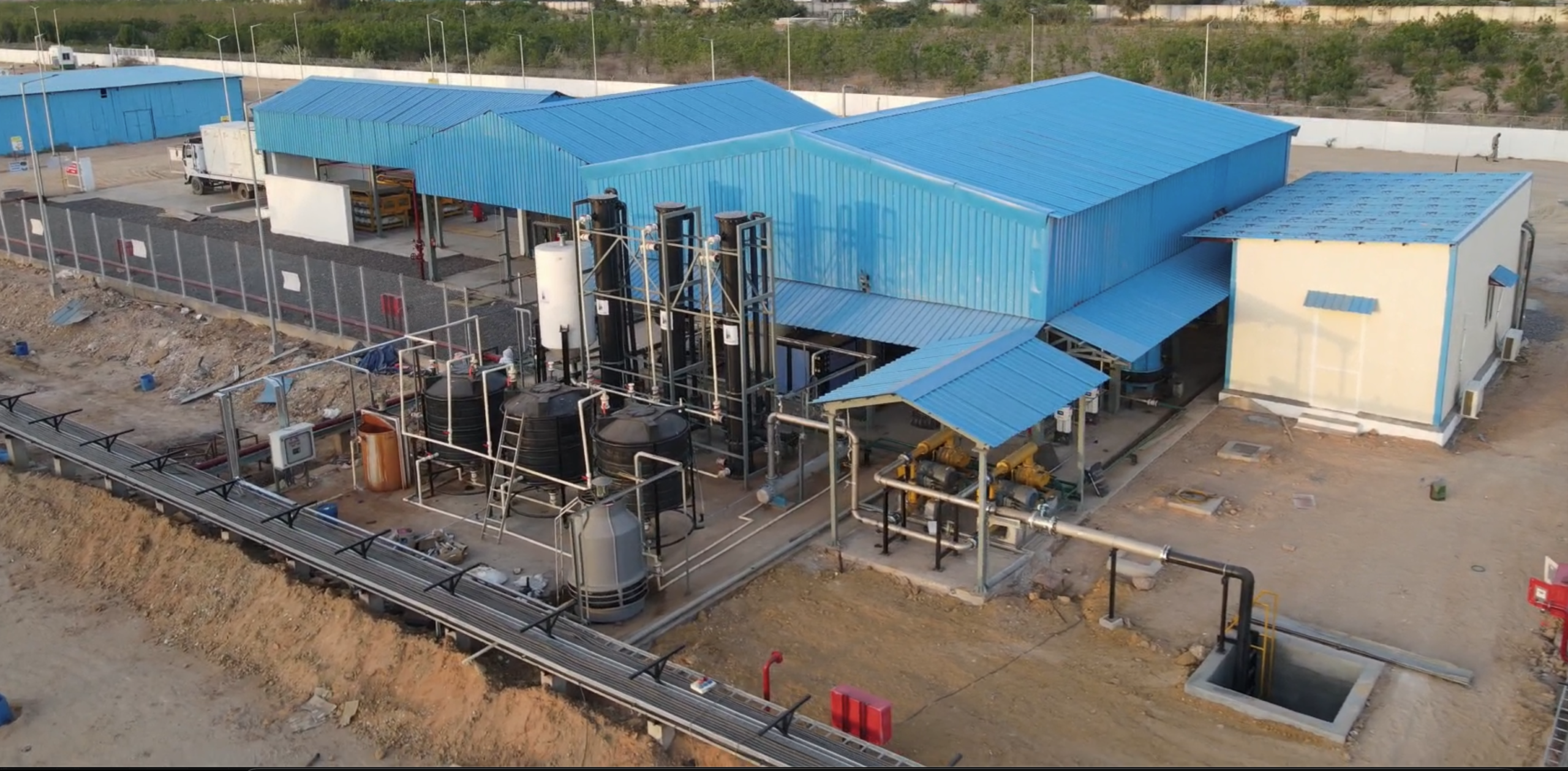
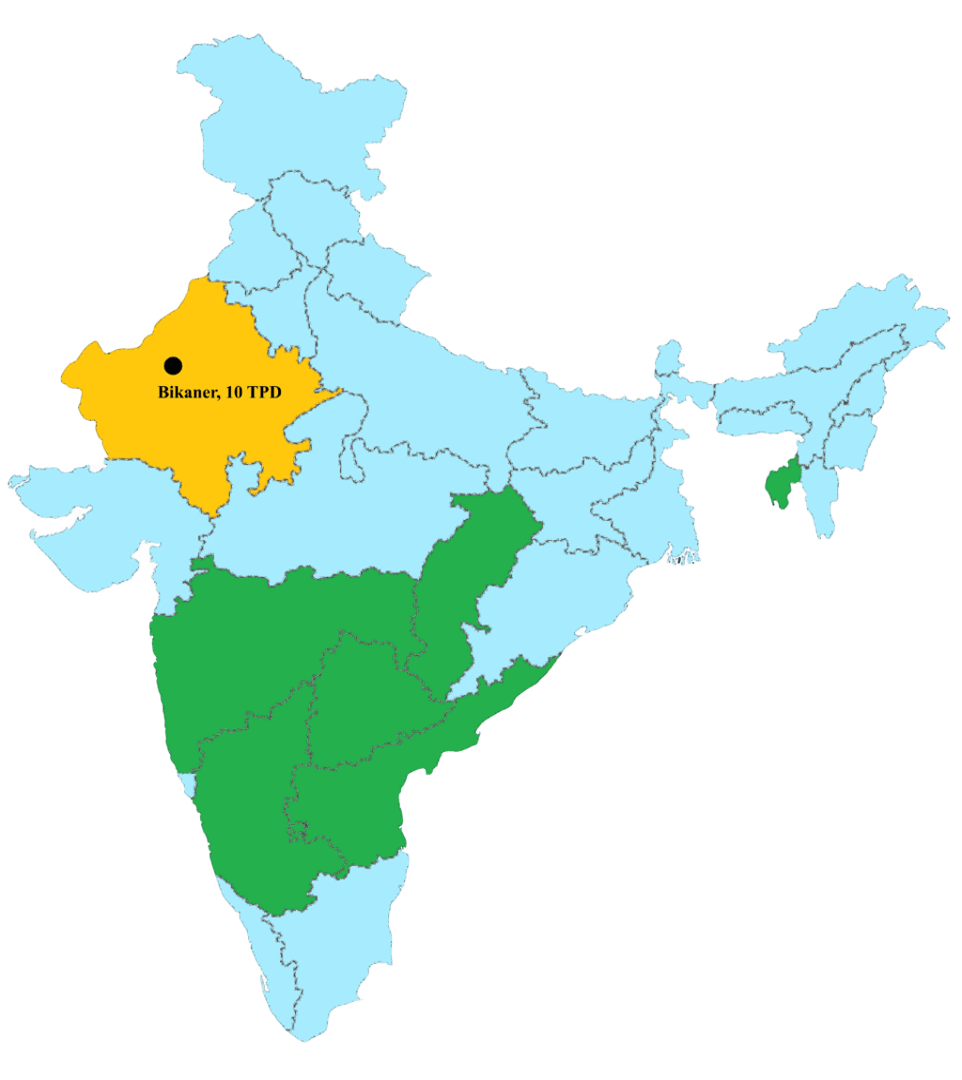
Our Bikaner, Rajasthan plant produces 10 tonnes per day (TPD) Compressed Biogas for real-world energy applications. Plants at Maharashtra, Chatthisgarh, Telangana, Karnataka and Ghana, internationally, are also under development.

Explore Our Projects
Renewable Biofuels Explained

What Powers a Cleaner Future?

Renewable Biofuels are transforming the way the world produces and consumes energy. Unlike fossil fuels, they are produced from renewable biomass. They help reduce greenhouse gas emissions while making productive use of agricultural residues and dedicated energy crops. At Sai Bioenergy, we are building a diversified renewable fuel portfolio designed to meet today’s energy needs while preparing for tomorrow’s low-carbon economy.

CBG

Compressed Bio Gas

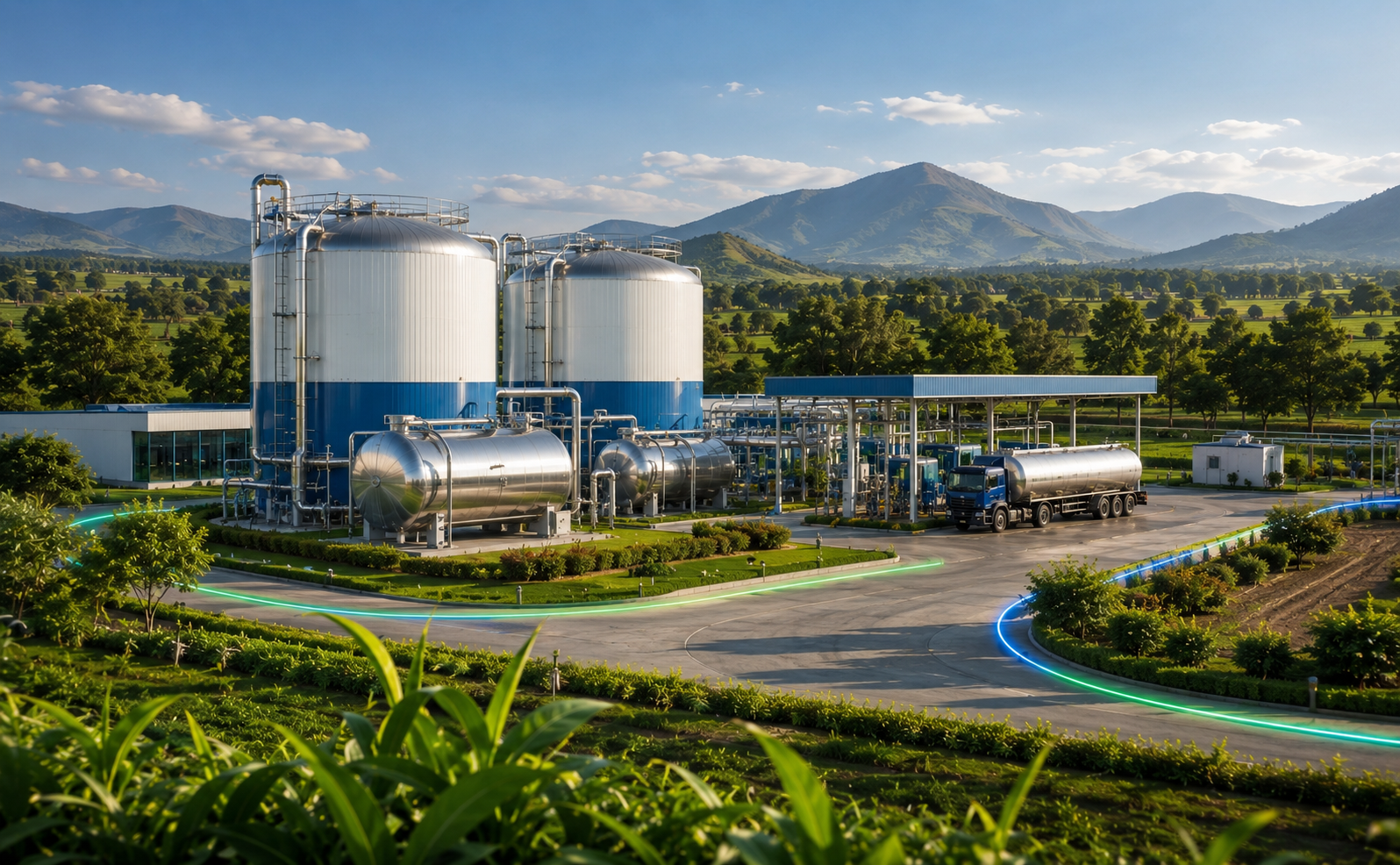
High-purity biomethane produced from organic biomass. Undergoes advanced anaerobic digestion and upgrading technology. A cleaner alternative for transportation, industrial heating and commercial energy applications.

LBM

Liquefied Bio-Methane

Renewable biomethane in liquefied form. Useful for long-distance transportation and high-energy-demand applications. Offers greater storage and transport efficiency.

rDME

Renewable DME

A next-generation clean fuel for industrial heating, commercial cooking and transport. Provides a low-emission alternative to LPG and diesel.                                                                 

METHANOL

Green Methanol

A renewable, low-carbon fuel. It is the first, matriarchal fuel from which other renewable biofuels can be created.                                                   

SAF

Sustainable Aviation Fuel

Sai Bioenergy is developing a biomass-to-methanol-to-SAF pathway. This approach can convert agricultural biomass into valuable aviation fuel.

R&D

Future Green Molecules

Ongoing research into next-generation renewable fuels. They will support hard-to-abate sectors and accelerate the global energy transition.

Feedstock Source

Turning Biomass into Useful Energy

Renewable biofuels are made from biological resources. These resources include agricultural residues and Energy Crops. They can replace fossil fuels across mobility, industry and commercial energy. They can also create new value from materials that farmers already produce through the 3F™ Circular Impact Model – Feedstock to Fuel to Fertilizer.

Our current focus is high-purity Compressed Biogas. Our wider platform includes Liquefied Biomethane, Green Methanol, Renewable DME and Sustainable Aviation Fuel. Our research programme also covers future green fuels and bio-based chemicals.

Compressed Biogas (CBG) – A Direct Replacement to Compressed Natural Gas (CNG)

Compressed Biogas is purified biomethane. It has the same core fuel application as Compressed Natural Gas. Since CBG has a similar if not greater calorific value as CNG, it is also known as Bio-CNG. 

CBG also reaches wider markets through gas companies and Oil Marketing Companies (OMCs). These routes include organisations such as GAIL, Gassonet, Torrent etc,. They can connect CBG with customers beyond our direct logistics network. CBG gives customers a renewable fuel option within familiar CNG systems.

Who Uses Compressed Biogas (CBG)? Connecting Renewable Fuel With Real Customers

Fuel for Vehicles

Mobility

CBG can fuel cars, buses, trucks and commercial vehicle fleets. It can serve customers who already use CNG. It can support cleaner transport without changing the basic fuel application.

Home and Commercial

Cooking & Industrial Energy

CBG can enter PNG networks for home or commercial cooking. It can support pipelined connections at homes, hotels, restaurants, institutions and food-processing facilities.

For industries, CBG can support boilers, furnaces, dryers and process heating.It can serve industries that currently use natural gas or other fossil fuels.

Fuel for Manufacturing

Gas & Oil Marketing Companies (OMCs)

Gas companies can distribute CBG through pipeline networks. Oil marketing companies can distribute CBG through retail outlets. Logistics companies can transport CBG through cylinder cascades.

These channels expand market access and improve evacuation capacity.

CBG and Gobar Gas – Different Feedstocks. Different Purity. Different Uses. 

Sourcing the Feedstock is the most important step of the process of manufacturing Compressed Bio Gas (CBG). CBG can be manufactured from agricultural waste residue (paddy, wheat, corn etc.), Energy Crops (Napier Grass, Maize, Sorghum etc.), organic fraction of municipal waste and animal waste like cow dung.

The usage of different feedstock material can affect the purity of CBG as each material has different methane content and the process of purifying is also different.

Biogas and CBG: When feedstock undergoes anaerobic digestion, the resultant gas is made of 45-50% Methane, 40% Carbon Dioxide and gases like Nitrogen, Hydrogen Sulphide (impurities) etc. This raw gas that has not been purified is known as Biogas. When this raw Biogas undergoes purification where Carbon Dioxide, Nitrogen, Hydrogen Sulphide and other by-products are removed, pure Compressed Bio Gas (CBG) is obtained.

Gobar gas and CBG: When cow dung is used as feedstock, the resultant raw biogas that has not been purified is called Gobar gas. This can only be used for cooking. While CBG is the highly purified form that be used as fuel for vehicles. However, the feedstock source can vary.
Sai Bioenergy Bio-CNG Feedstock

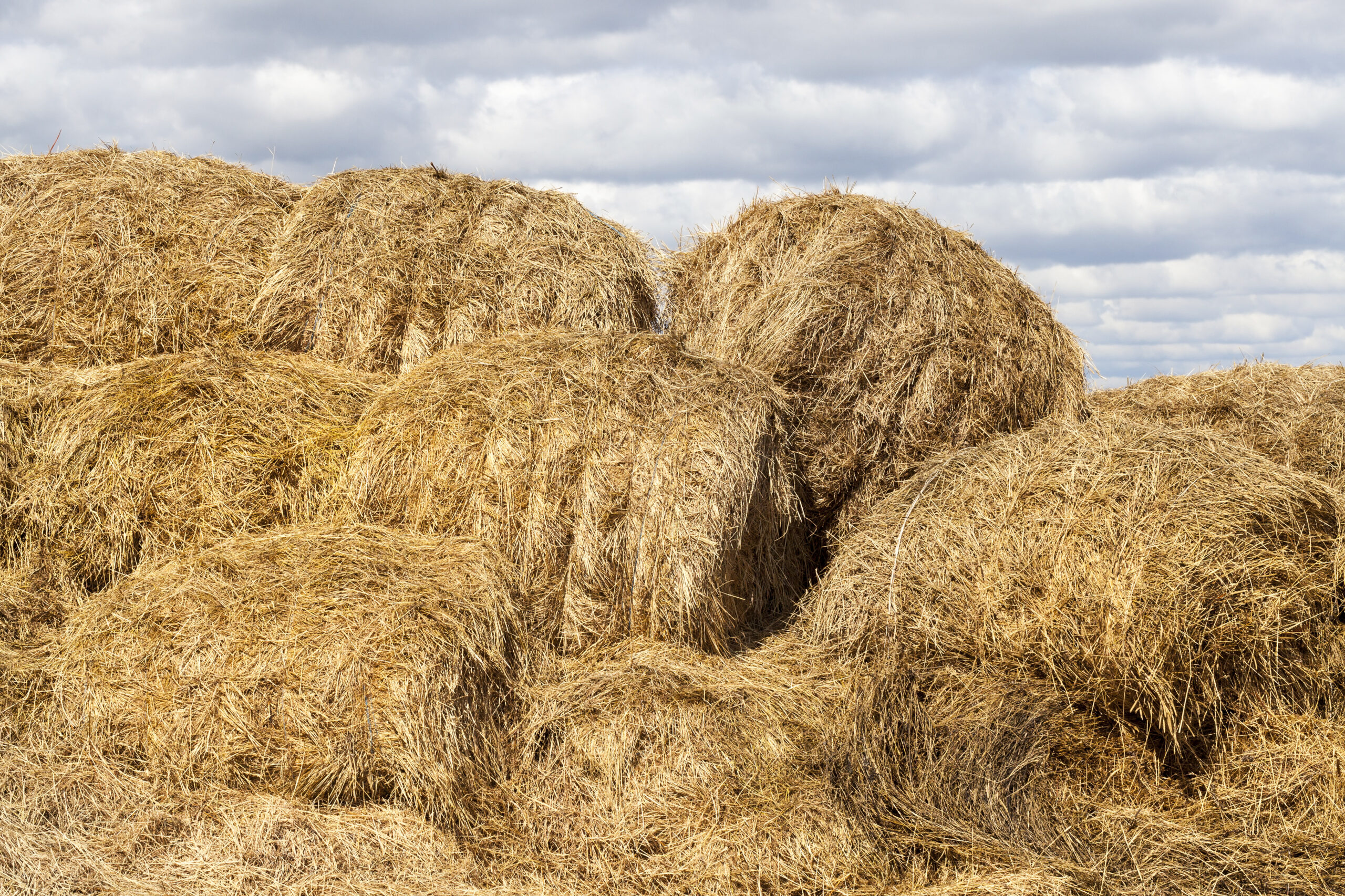
Paddy Straw

Paddy straw has high levels of carbon, cellulose, hemicellulose, and lignin, which hold stored chemical energy that releases heat or creates gas when processed. Millions of tons of rice straw are left over after every harvest, creating a steady and abundant local supply of raw material.

Sai Bioenergy Bio-CNG Feedstock

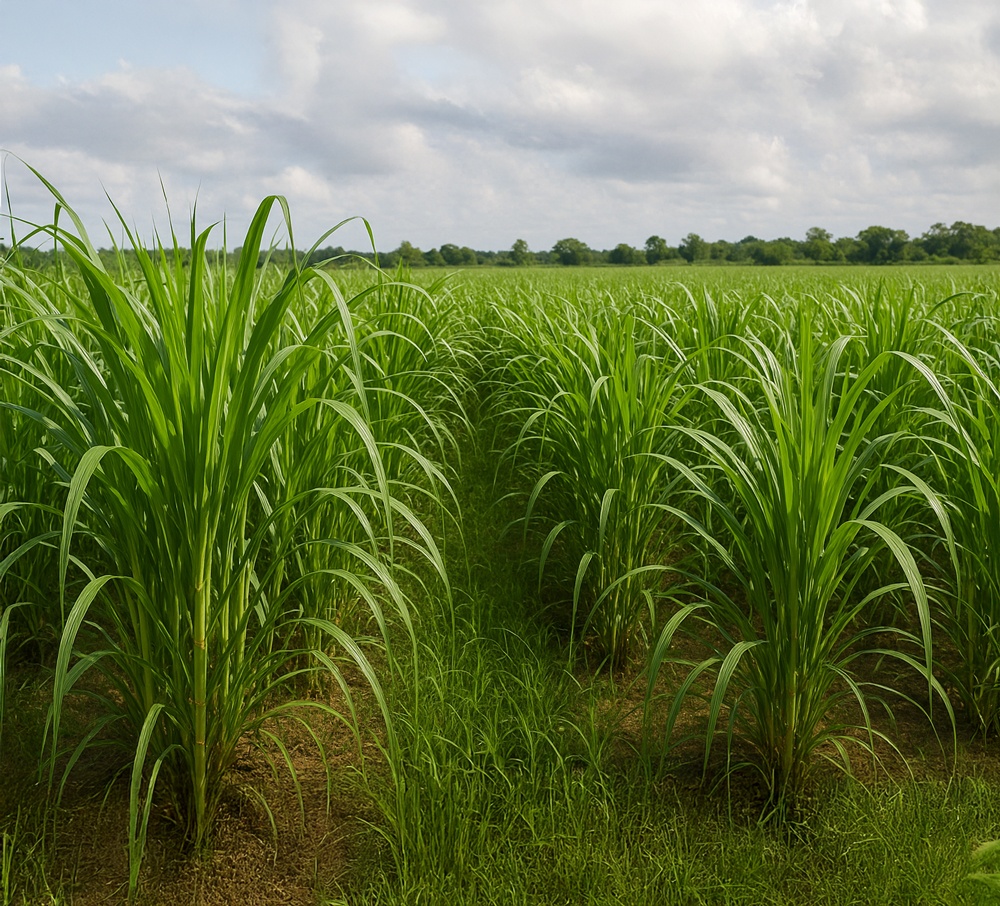
Napier Grass

Napier Grass produces a massive amount of fast-growing biomass rich in fermentable sugars and fibres that convert efficiently into biofuels like CBG and electricity. It matures quickly and allows for 4 to 6 multiple harvests (cuts) per year, an additional farmer income. 

Sai Bioenergy Bio-CNG Feedstock

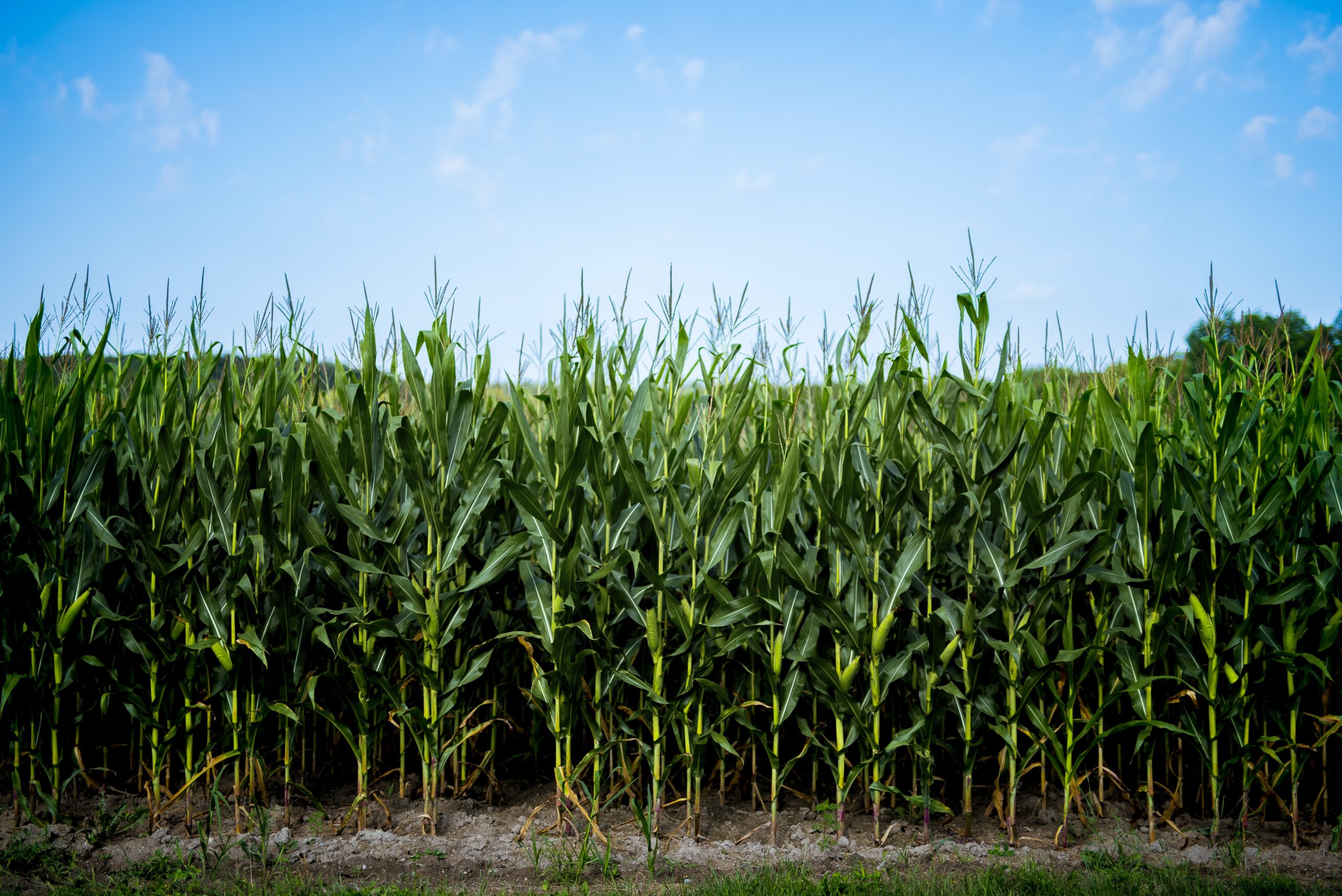
Maize Stalks

Maize is a C4 plant that converts sunlight and carbon dioxide into organic matter very efficiently, leaving behind massive quantities of post-harvest stalk residue. They produce high amounts of fibrous biomass rich in cellulose, hemicellulose, and lignin that can be converted into Biofuels.  

Sai Bioenergy Bio-CNG Feedstock

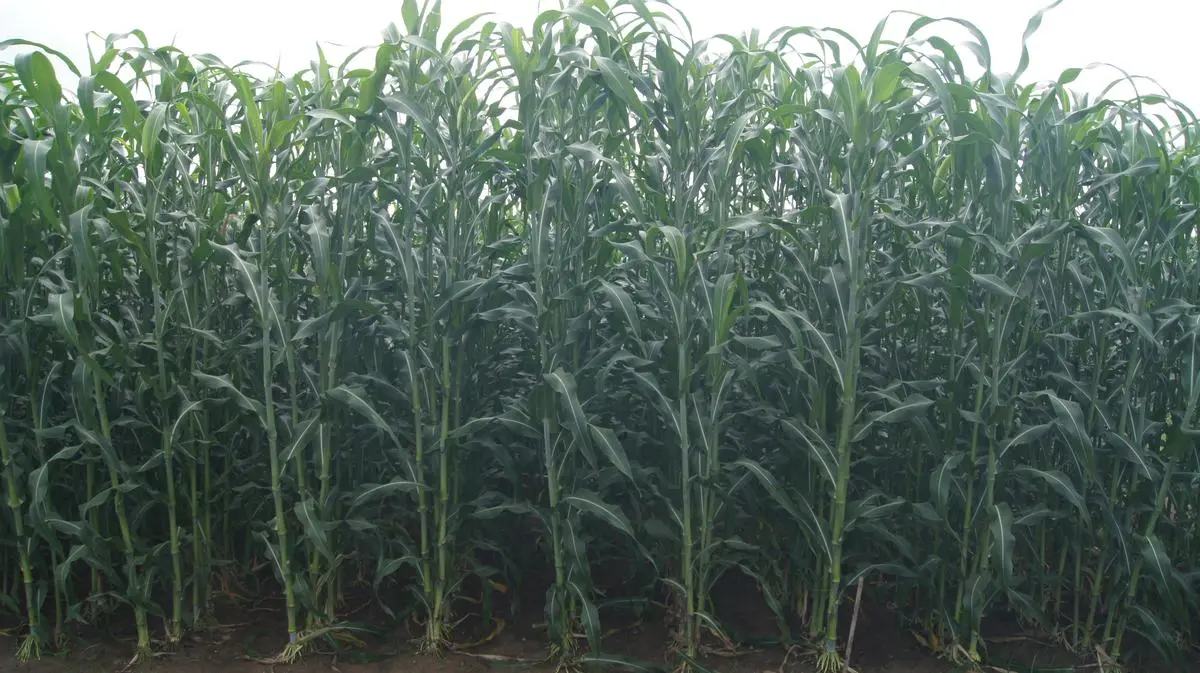
Biomass Sorghum

Grows up to 20 feet tall in a single season. Farmers grow it for its massive yield of stems and leaves which are burned or converted into cellulosic biofuels. It survives and thrives in dry areas.                                               


Sai Bioenergy CBG Purification

Sai Bioenergy 3-step Membrane Purification for CBG

  • Sai Bioenergy’s 10 TPD CBG plant in Bikaner, Rajasthan, produces Compressed Bio Gas (CBG) of purity >= 98%, unparaled in the market. 
  • It undergoes an intense purification process where impurities like Carbon Dioxide (CO₂), Nitrogen (N₂), Hydrogen Sulphide (H₂S) are removed. 
  • The H₂S Scrubbing system, Sulfa Clean of our partner, Atrium Innovations, is a captive technology.
  • A three-membrane purification system removes further impurities.

The result is a high purity Compressed Biogas. Higher the purity, higher the performance.
Solutions Across the 3F™ Value Chain

One Ecosystem. Multiple Solutions.

Sai Bioenergy delivers integrated solutions across the renewable fuel value chain. From scientific feedstock strategy, renewable fuel production, advanced storage technologies, modular plants and continuous R&D. Every capability is designed to strengthen the 3F™ ecosystem and create long-term value.

Feedstock Strategy

Scientific agronomy and long-term farmer partnerships securing dependable biomass.

Compressed Bio Gas

Grid- and mobility-grade biomethane from advanced anaerobic digestion.

Renewable DME & LBM

Liquefied and dimethyl-ether pathways for transport and industrial heat.

Green
Methanol

A renewable molecule for marine transport and the chemical industry.

Bio-Fertilizer

Fermented organic manure returning nutrients to the source catchment.

Energy
Storage

Long-duration storage that firms renewable generation.

Modular Plant Design

Standardised, repeatable plant architecture for faster deployment.

R&D &
Innovation

Continuous development across fuels, process and materials.

Growing Footprint

A Growing Renewable Energy Footprint

After operational flagship plant in Rajasthan, we are expanding our pipeline across multiple Indian states. Sai Bioenergy is building one of the country’s most ambitious renewable biofuel networks. Each location has its own capacity, technology, feedstock strategy and project status.

  Operational      Under Development

Biofuels at a Glance

Building one of India’s most integrated renewable fuel ecosystems.

5000+ acres
Land Bank
600+ TPD
Planned Capacity
≥98% Pure
Renewable Bio-CNG produced
7 States
Development
5+ Fuels
Portfolio
DRANCO
Atrium Technology Partnership
H2S Scrubbing
Atrium's Hydrogen Sulphide Scrubbing technology SulfaClean

Let’s Build Cleaner Fuel Systems

Whether you are looking to develop renewable fuel infrastructure, secure sustainable feedstock solutions or partner on next-generation clean energy technologies, Sai Bioenergy is ready to shape the future with you.

Explore Our Latest Insights

Agricultural residue being collected for biogas feedstock
BLOGS

Ideas that move the energy transition forward

Explore expert perspectives, practical insights and fresh thinking across clean energy and sustainability.

Electrical transmission infrastructure at dusk
NEWS

Stay close to what’s changing around the world

Get the latest updates, milestones and developments shaping the future of energy transition.

Aerial view of farmland supplying biomass feedstock
VIDEOS

Visualize our ideas in action and watch it unfold

Watch stories, explainers, live walkthroughs and conversations that bring complex energy topics to life.

Scroll to Top